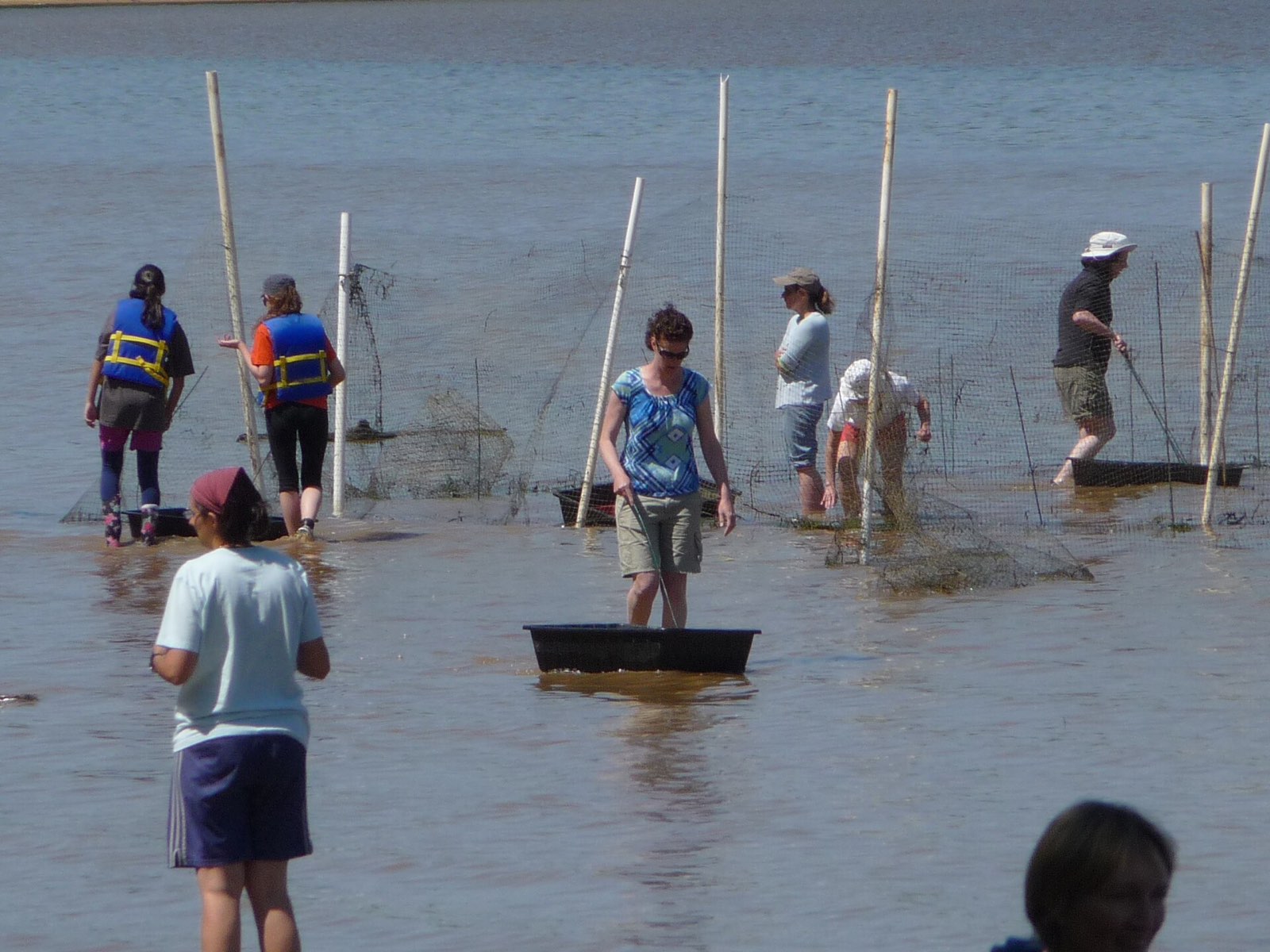

Protecting the Bay is not only a job for scientists. Here is what the Chesapeake Bay Program says each of us can do.
Quick answer: Protecting the Bay starts with rain. Runoff from roofs and pavement is the fastest growing source of pollution to the Bay. You can help with a rain garden, porous paths, and downspouts that drain onto grass. You can also join a cleanup like Project Clean Stream, plant trees in April, May or October, or watch water quality as a volunteer.
Contents
Slow Down the Rain
Stormwater runoff is the fastest growing source of pollution to the Bay.[1] Try a green roof or rain garden. Use gravel or pavers instead of asphalt. Point downspouts at grass or gravel.[1]
In Your Yard
Water early in the morning or in the evening. Pull weeds or use boiling water instead of weed killer. Plant a butterfly garden.[2]
Lend a Hand
Join Project Clean Stream, mostly on the first Saturday in April, or Clean the Bay Day in Virginia, the first Saturday in June. Plant trees: April, May and October are the best months.[3]
Be a Citizen Scientist
Programs like RiverTrends train volunteers to test water in Virginia.[3]
Frequently asked questions
What is the biggest new source of Bay pollution? Stormwater runoff, according to the Chesapeake Bay Program.
How can I help the Chesapeake Bay at home? Try a rain garden, porous paths and downspouts that drain onto grass.
When is Project Clean Stream? Mostly on the first Saturday in April.
References
- [1] Chesapeake Bay Program, Population Growth and Development – last checked 11/08/2026
- [2] Chesapeake Bay Program, Help Protect the Bay – last checked 11/08/2026
- [3] Chesapeake Bay Program, Five ways volunteers can help protect the Chesapeake Bay – last checked 11/08/2026
Learn more about the Bay.