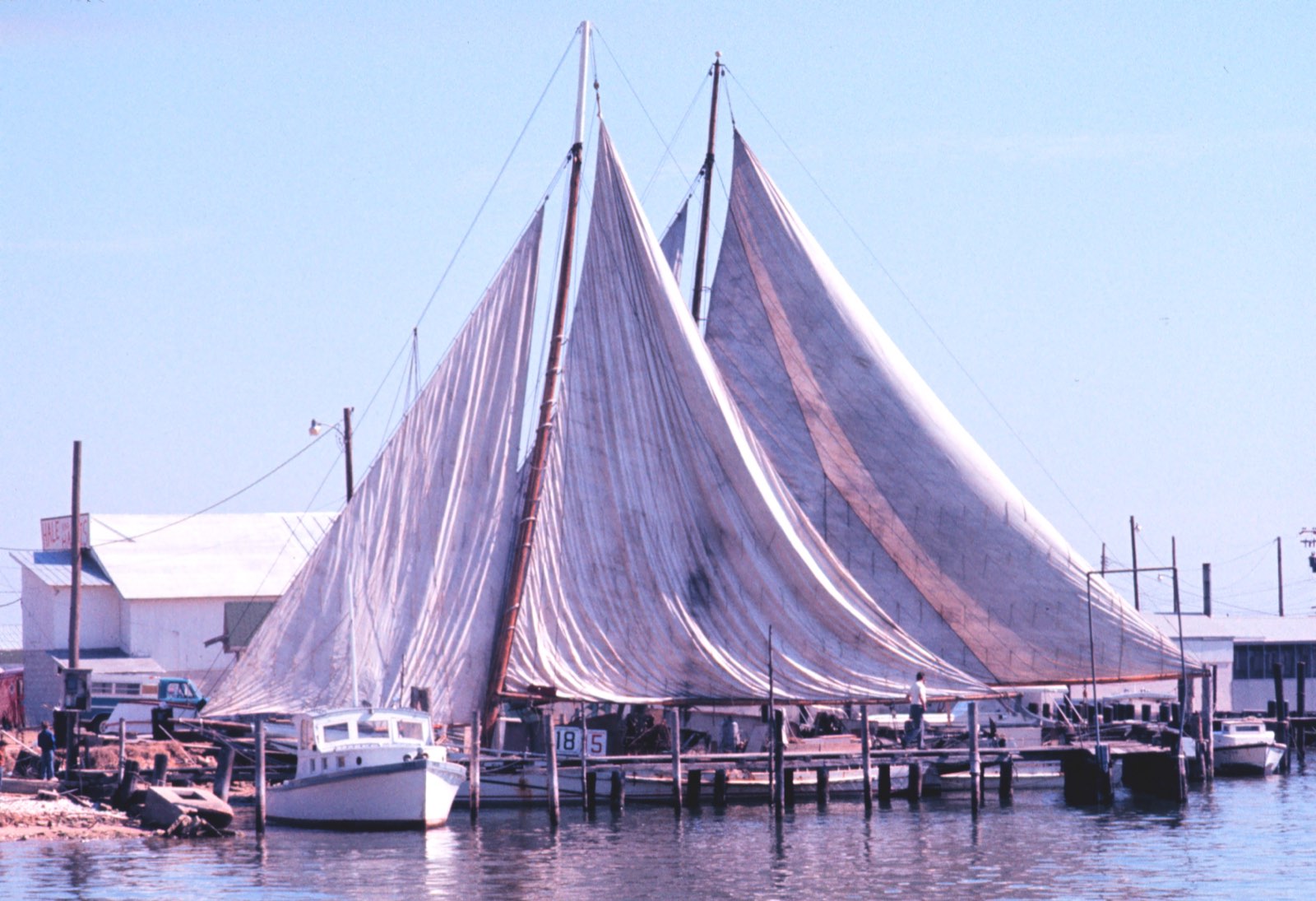

We love the stories of the Bay. Here is Chesapeake Bay history in a few short steps, with the dates from official sources.
Quick answer: Chesapeake Bay history starts with Native peoples, here for more than 10,000 years. John Smith mapped the Bay in 1608 and found more than 200 Native towns. Oysters began to decline in the late 1800s. In 1983 the states and the EPA signed the first Chesapeake Bay Agreement to clean up the Bay.
Contents
- The First People
- John Smith’s Map
- Oysters, Boom and Bust
- The Cleanup Pacts
- Frequently asked questions
The First People
People came to the Bay more than 10,000 years ago. For thousands of years they used its rivers to travel and trade.[1]
John Smith’s Map
In 1608 John Smith made two long trips around the Bay. His map was the first detailed map of the Chesapeake. It shows more than 200 Native towns.[2]
Oysters, Boom and Bust
Oysters began to fall in the late 1800s. The causes were overfishing, disease, lost habitat and pollution. By the 1990s only 1 to 2 percent of the old oyster numbers were left.[3]
The Cleanup Pacts
| Year | Step |
|---|---|
| 1983 | First Chesapeake Bay Agreement, a one-page pledge |
| 1987 | First number goals: cut nutrients by 40 percent by 2000 |
| 2000 | Chesapeake 2000, with 102 goals |
| 2010 | EPA sets the Bay “pollution diet” (TMDL) |
| 2014 | Chesapeake Bay Watershed Agreement, June 16 |
Source: Chesapeake Bay Program.[4]
Frequently asked questions
How old is the history of people on the Bay? More than 10,000 years, according to the National Park Service.
When was the first Chesapeake Bay Agreement? In 1983.
Why did Bay oysters decline? Overfishing, disease, lost habitat and pollution, starting in the late 1800s.
References
- [1] National Park Service, From Contact to Present: Indigenous Chesapeake – last checked 11/08/2026
- [2] National Park Service, A Closer Look: John Smith’s Chesapeake Voyages – last checked 11/08/2026
- [3] Chesapeake Bay Program, 40 years of dedication to Chesapeake Bay oysters – last checked 11/08/2026
- [4] Chesapeake Bay Program, Our History – last checked 11/08/2026
Read about Captain John Smith on the Chesapeake.